-
New
-
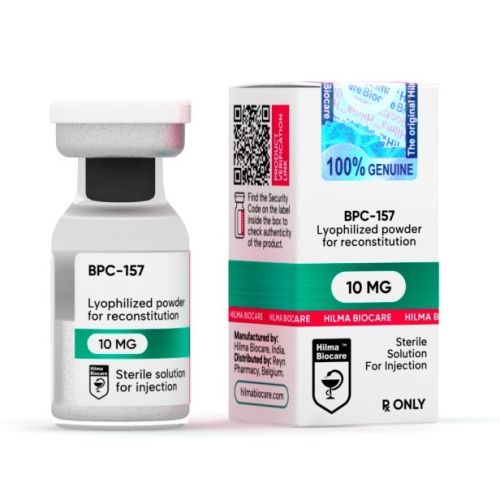
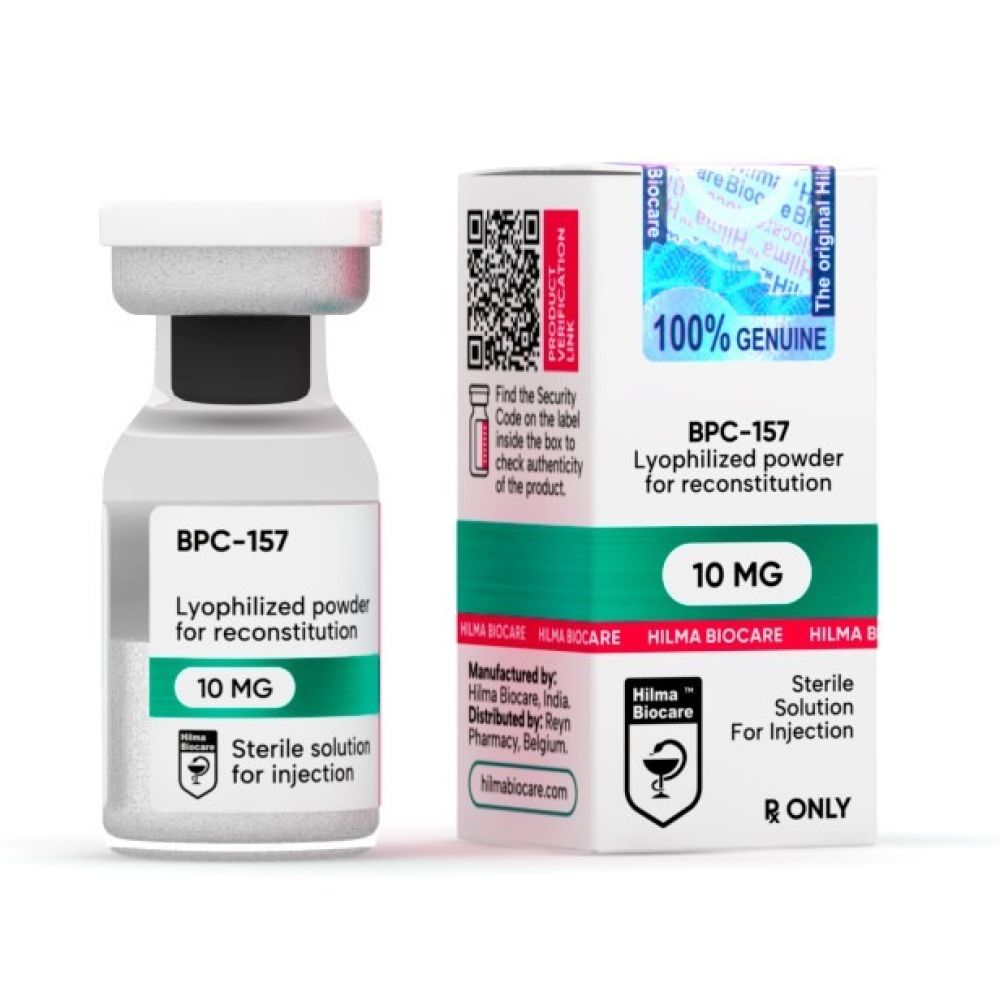
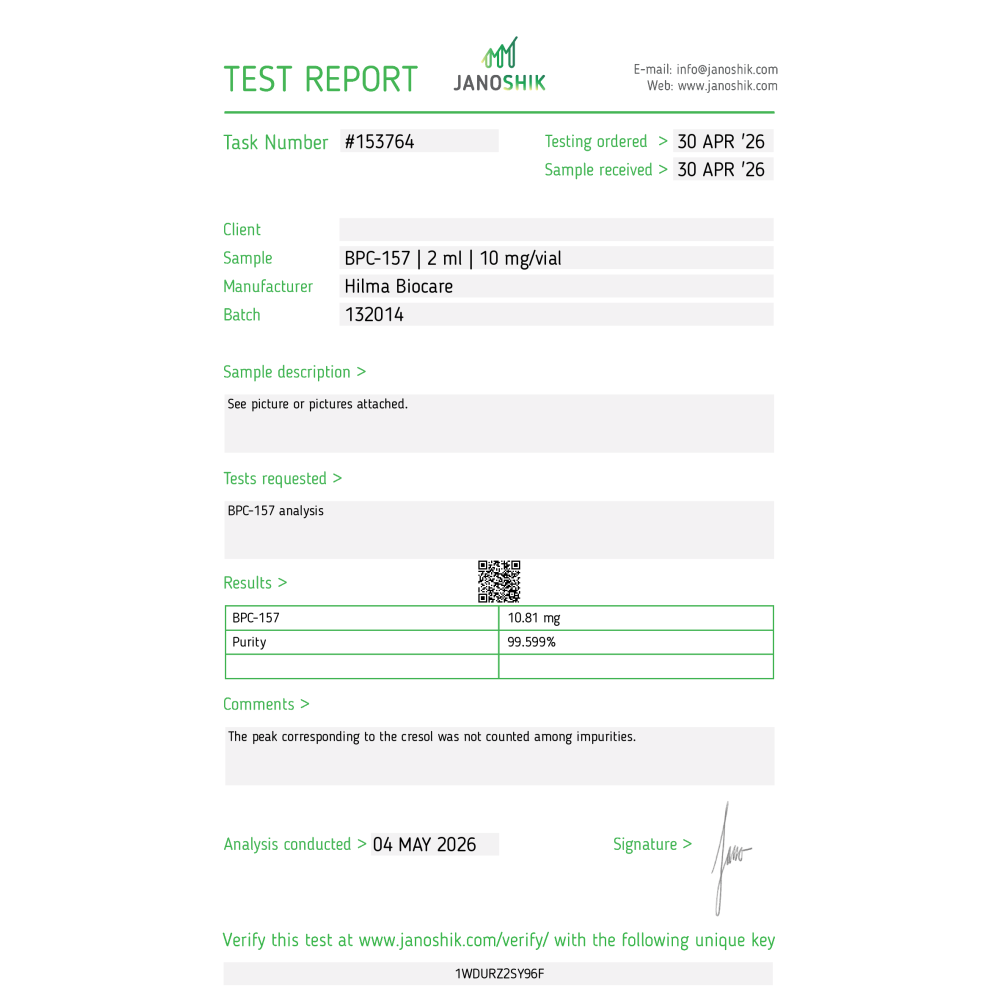
(HB) BPC-157 10mg
BPC-157
Producer: Hilma Biocare
Type: Injection
Unit dosage: 10 mg/vial
Packaging: 1 bottle
Form: Powder
Bioactive Agent: Body Protection Compound 157
Drug half-life: ~4 to 6 hours
Division: Synthetic Peptide
Intake: 200/250 mcg twice daily
Info: BPC-157, also known as Body Protection Compound 157, is a synthetic peptide associated with a sequence originally identified in the gastrointestinal system. Since attracting scientific interest in the 1990s, BPC-157 has been investigated for its potential regenerative and protective properties. Preclinical research has explored its possible role in tissue repair, wound healing, inflammation control, and recovery following physical injury. Animal studies have examined its effects on muscles, tendons, skin, connective tissue, and various internal organs. However, most available evidence remains preclinical, and its effectiveness and safety in humans require further clinical research
EFFECTS:
Potential Benefits of BPC 157:
- Wound Healing: May support the natural repair of damaged skin, muscles, tendons, and other soft tissues.
- Anti-inflammatory: Experimental research suggests that BPC-157 may influence inflammatory processes in different tissues.
- Repair: May contribute to tissue recovery following physical stress or injury.
- Organ Protection: Preclinical studies have investigated its potential protective effects on several organs.
- Pain Relief The Most Well-Known Use: BPC-157 is frequently discussed in connection with discomfort related to injuries, inflammation, and tissue damage.
- Digestive Benefits: Its original association with the gastrointestinal tract has led to considerable interest in its potential role in digestive tissue recovery.
DOSE AND DURATION OF USE:
There is currently no universally established human dosage for BPC-157. Experimental protocols vary according to the research model, administration method, and purpose of use. Some non-clinical sources describe different dosing approaches, but these should not be interpreted as medically validated recommendations. The appropriate duration of exposure has also not been firmly established, particularly for prolonged use. Anyone considering BPC-157 should discuss its potential risks and benefits with a qualified healthcare professional.
POSSIBLE SIDE EFFECTS:
Available information suggests that BPC-157 has been generally well tolerated in preclinical research, but comprehensive human safety data are lacking. Possible reactions may include temporary irritation or discomfort at the injection site, sensitivity, or other unexpected responses. Because long-term effects have not been adequately studied, the risks associated with repeated or extended exposure remain uncertain. Product purity and manufacturing quality may also influence safety. As with any experimental substance, caution is advisable.
COMBINATION WITH OTHER MEDICINES:
Information regarding BPC-157 interactions with medicines, peptides, or supplements is currently limited. Although it is sometimes discussed as a standalone peptide or alongside other compounds, there is insufficient clinical evidence to confirm the safety of such combinations. Combining substances may introduce unpredictable effects or interactions, especially when prescription medication is involved. Professional medical advice is therefore recommended before combining BPC-157 with other medicines or active compounds.
Tags: BPC-157, Body Protection Compound, 157